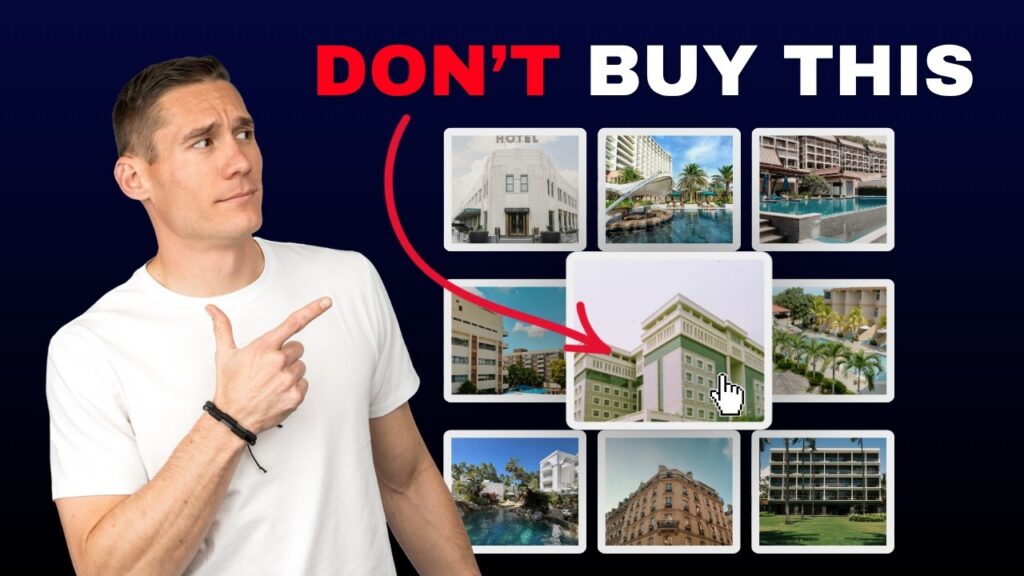
Boutique hotel deals rarely die because of one dramatic dealbreaker. They unravel because of quiet warning signs sitting in plain sight during due diligence. After evaluating hundreds of boutique hotel opportunities and closing on eight of them, one pattern stands out: nearly every deal that went sideways had at least one of seven recurring red flags.
Once you know how to spot them, you can often turn the same red flags into leverage that improves your terms or saves an acquisition.
If you are still mapping the bigger boutique hotel investing strategy, start with “Boutique Hotel Investing” Explained.
Red Flag 1: The seller who will not disclose
When a seller is reluctant to share full information during due diligence, that reluctance is data. Treat non-disclosure as a signal of hidden risk. Make full disclosure a non-negotiable condition of moving forward.
Price the deal for the uncertainty you are accepting. Undisclosed issues almost always represent real financial exposure. You make your money when you buy. Overpaying on a boutique hotel deal with unknown risk only creates problems after closing.
Red Flag 2: Deferred maintenance hiding in plain sight
Physical deferred maintenance can quietly wipe out the first year of ownership if it is not identified and priced in before closing. Rotten decks, aging HVAC, pool equipment on its last repair, water stains the seller calls cosmetic. Every dollar the previous owner skipped spending is a dollar you will spend, usually while you are also trying to ramp revenue and train staff.
A commercial property inspection is how you convert an unknown liability into a documented, negotiable discount. Do not use a residential home inspector for a boutique hotel.
Red Flag 3: Going into a deal under-capitalized
Being under-capitalized is one of the most common reasons boutique hotel deals fail after closing. Buyers raise just enough to get the deal done, then a longer low season, a burst pipe, or a key hire leaving turns into missed payroll or missed investor distributions.
Build real reserves before you close. CapEx, operating runway, and a contingency for the first year are part of the purchase, not optional extras.
Red Flag 4: Underwriting the building instead of the market
Many buyers focus on the physical asset and skip a rigorous look at the market around it. Before you close on a boutique hotel, answer:
- Is demand seasonal or year-round?
- What does the supply pipeline look like in the next 18 months?
- How has RevPAR (ADR x occupancy) trended over the last three years?
A property can look great on paper while sitting in a market that is quietly softening. For market selection context, see What To Think About BEFORE Buying Boutique Hotels.
Red Flag 5: Financials that do not add up
Never underwrite a boutique hotel from seller-provided financials alone. Verify independently. Cross-reference the numbers until you know whether discrepancies are errors you can renegotiate around, or misrepresentation that should send you walking away.
Red Flag 6: Buying a job, not a business
Some boutique hotel deals are structured so that nearly all the value lives with the operator, not with the underlying asset. If the seller effectively is the business, you are buying yourself a job.
Look for documented systems and processes that exist independent of the current owner.
Red Flag 7: No operations plan before closing
Before you close you need:
- A revenue management strategy (rates, channels, booking windows by guest segment)
- A staffing model that includes costs short-term rentals often skip, like a GM and on-site coverage
- A clear picture of leisure, groups, retreats, and reunions
For post-close ops, see How to Manage & Operate Boutique Hotels and Short-Term Rentals at Scale.
How experienced buyers use red flags as leverage
None of these seven are automatic dealbreakers on their own. Spot them early, price for the risk, and use them in negotiation.
FAQ
What are the biggest red flags when buying a boutique hotel?
Seller non-disclosure, deferred maintenance, under-capitalization, weak market underwriting, unverified financials, owner-dependent goodwill, and no operations plan before closing.
Can a red-flag boutique hotel deal still be a good buy?
Yes, if you identify the risk early, price it into the offer, and have the capital and plan to fix it after closing.
How do I verify boutique hotel financials?
Do not rely on seller statements alone. Request source documents and cross-check occupancy and ADR against market data.
Why do boutique hotel deals fail after closing?
Often under-capitalization and missing ops planning.
Where should I start if I want to buy a boutique hotel?
Map your buy box, learn NOI underwriting, then practice spotting these seven flags. A structured path is Hotel Launch.
Actively buying or underwriting your own boutique hotel: Hotel Launch. Still deciding: BlakeDailey.com/start-here-page.